Symptom guide
Why Is My Window Foggy Between the Panes?
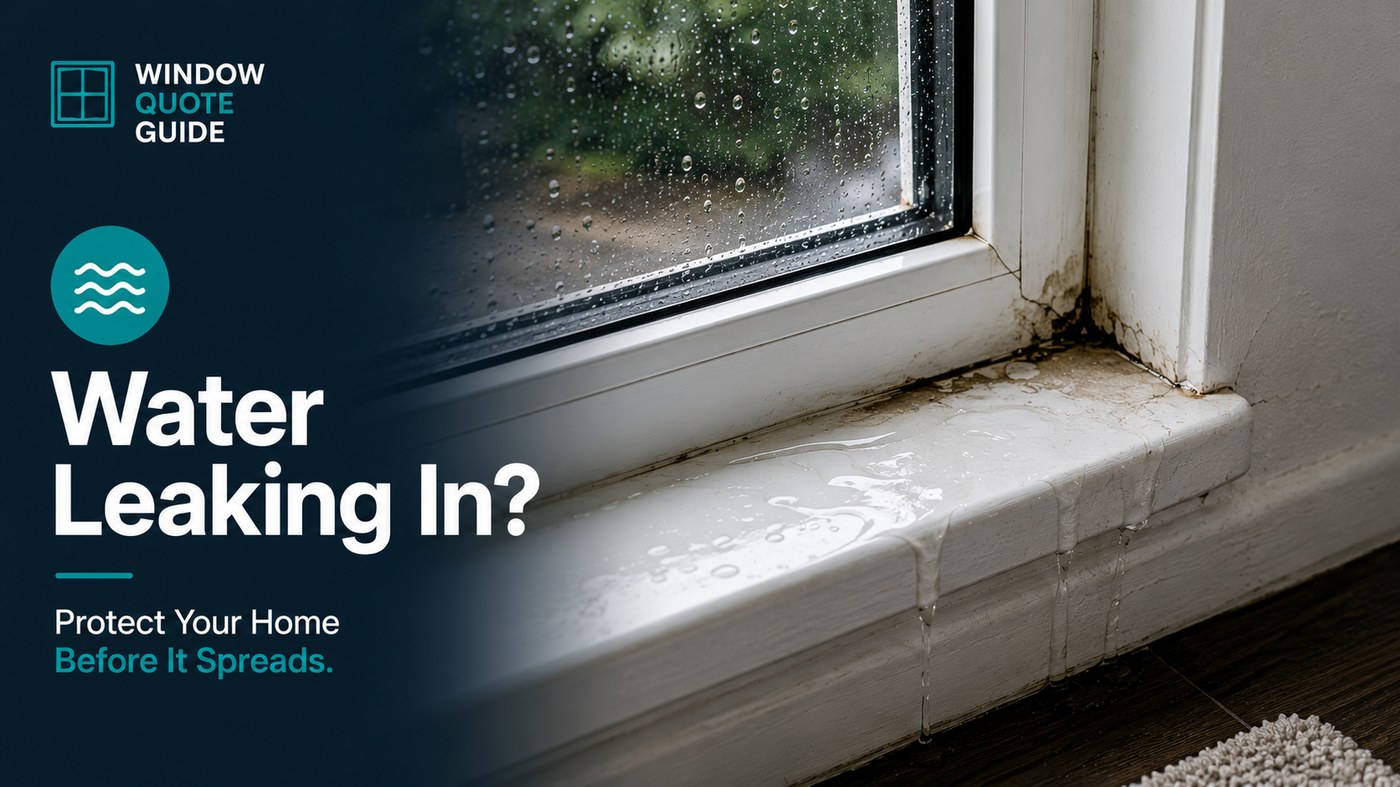
The short version: your window sprung a leak you can't see
A double-pane window is two sheets of glass with a sealed pocket of argon gas between them. That gas is the insulation. When the seal around the edge fails, the gas escapes and humid air sneaks in. The moment warm indoor air meets the cold outer pane, it condenses — and now you've got a permanent little rain cloud living inside your window.
Fog between the panes isn't dirt. It's your window quietly telling you the insulation already left the building.
Why you can't just wipe it off
People try everything — vinegar, a hairdryer, drilling a tiny hole (please don't). It never works, because the moisture is sealed inside, between two panes you can't reach. The only real fixes touch the glass itself.
What it costs in 2026
If the frame is solid and only the sealed glass unit (the “IGU”) is fogged, a glass-only swap is the cheap, smart move. If the frame is old, drafty, or you've got fog in several windows at once, replacing the whole unit usually wins on cost-per-year.
Does your climate make it worse?
Yes. Damp, gray places like Seattle punish window seals harder than dry ones — constant humidity plus temperature swings work the seal loose faster. Cold-snap cities like Chicago add freeze-thaw stress on top. If you live somewhere wet or freezing, foggy windows tend to show up earlier and in clusters.
Frequently asked questions
See what new windows would actually cost for your home
60 seconds, no phone number, no sales call. Just your regional number.
Get your estimate →Cost figures in this guide are compiled from publicly available 2026 U.S. pricing data — including ENERGY STAR, the U.S. Department of Energy, and national contractor cost guides (HomeAdvisor / Angi True Cost) — and are intended for planning only. Prices vary by region, brand, and installation method; always collect 2–3 local quotes.
← All guides